
 Propane water heaters are a popular choice for homeowners throughout Inwood and the Eastern Panhandle. They offer fast, reliable hot water while helping households control energy costs. In fact, a properly sized propane water heater can heat water roughly twice as quickly as a comparable electric model. That’s because propane generates exceptional heat, allowing water to recover faster after showers, laundry loads and other daily household demands.
Some homeowners assume that because propane provides the heat, a gas water heater operates completely independently of electricity. While propane is responsible for warming the water, most modern systems still require a small amount of electrical power to function properly. In this article, we’ll explain how propane water heaters work and why electricity remains an important part of the equation.
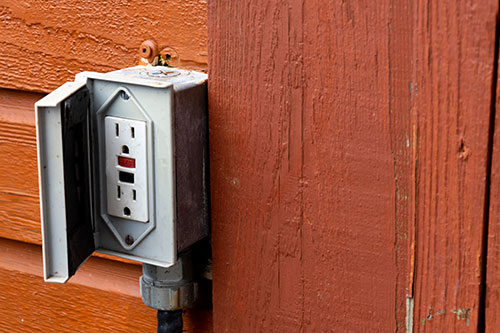
The propane burner supplies the heat that warms your household’s water supply, but several key components rely on electricity to operate.
Most modern propane water heaters use electronic ignition systems rather than traditional standing pilot lights. When hot water is needed, the ignition system creates a spark that lights the burner. This process requires electrical power.
Many newer units also feature electronic controls, digital displays and diagnostic systems that monitor performance and help identify maintenance issues. Power-vent water heaters use electrically powered fans to safely move combustion gases outdoors. Without electricity, these components cannot function, even if propane is available.
As a result, most modern propane water heaters will stop heating water during a power outage until electrical service is restored.
Propane’s high heating value allows water to reach the desired temperature much faster than electric heating elements can. This faster recovery rate means less waiting for hot water, even when multiple family members are showering or using appliances at the same time.
Propane also burns cleanly and efficiently. For many homeowners, switching to propane can help lower energy costs while providing dependable performance year-round. Whether you’re replacing an aging water heater or building a new home, propane offers an attractive combination of comfort, efficiency and reliability.
For homeowners looking to maximize efficiency, a propane tankless water heater may be worth exploring.
Unlike traditional storage-tank systems, tankless units heat water only when you need it. When a faucet, fixture or appliance needs hot water, the unit’s ignition activates the propane burner, instantly heating water as it passes through the system.
Because tankless water heaters eliminate the need to continuously maintain a tank of hot water, they can significantly reduce energy consumption. They also provide an ongoing supply of hot water, making them ideal for larger households or families with high hot-water demands.
Another advantage is their compact design. Tankless systems require far less space than conventional water heaters, creating additional room in utility areas, basements or mechanical rooms.
If your current water heater is struggling to keep up with your family’s needs, now may be the perfect time to consider a high-efficiency propane upgrade. Roach Energy helps homeowners throughout Inwood and nearby Eastern Panhandle communities select the right propane water heating solution for their homes and budgets.
Our team can recommend efficient tank and tankless models, provide professional installation and help you identify available manufacturer rebates and other financial incentives that may reduce your upfront investment.
Contact Roach Energy today to learn more about upgrading to a high-efficiency propane water heater and enjoy faster, more reliable hot water for years to come.
